
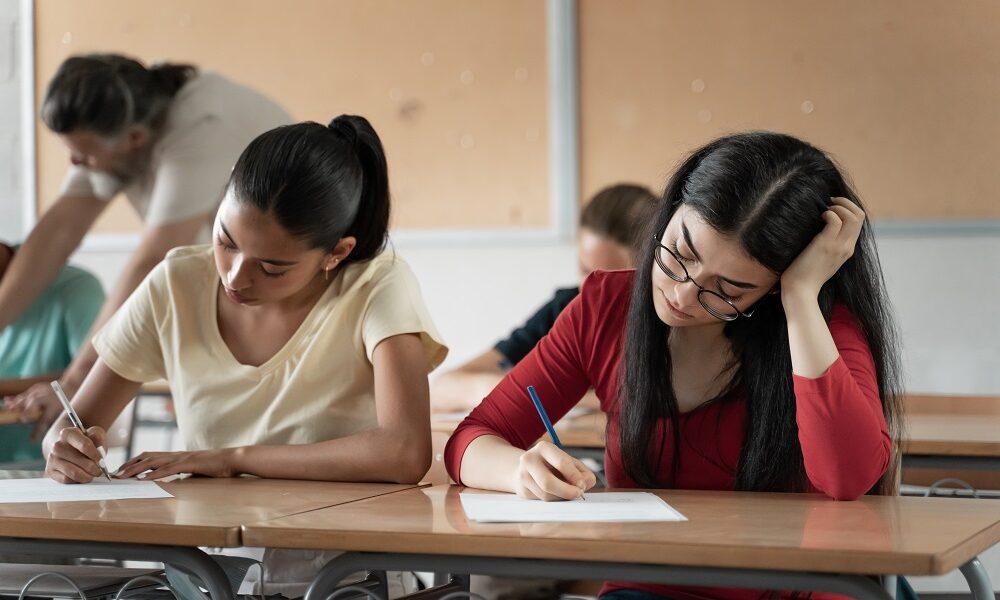

Many students spend long hours studying yet struggle to achieve strong academic results. One major reason is reliance on passive studying methods such as re-reading textbooks, highlighting notes, or watching lectures without active engagement.
In academic environments like Paisley, where educational expectations are rising and competition is increasing, students who depend only on passive techniques often find themselves falling behind those who use more interactive learning strategies.
What Is Passive Studying?
Passive studying refers to learning methods where students receive information without actively processing or applying it. In colleges and schools across Paisley, many students mistakenly believe that spending more time reading automatically leads to better understanding.
Common examples of passive studying include:
- Re-reading textbooks multiple times
- Highlighting notes without reviewing meaning
- Watching recorded lectures without taking notes
- Memorizing definitions without understanding concepts
- Listening to lessons without asking questions
The Science Behind Why Passive Studying Fails
Learning requires active brain engagement. When students passively review information, the brain does not form strong memory connections. In educational institutions around Paisley, teachers increasingly encourage active learning because research shows it improves retention and comprehension.
Passive studying fails because it:
- Creates familiarity without mastery
- Reduces critical thinking practice
- Limits long-term memory storage
- Encourages surface-level understanding
- Fails to prepare students for application-based exams
How Passive Studying Impacts Academic Performance
Students in Paisley who rely only on passive methods often experience frustration during exams. This happens because exams test recall, analysis, and application rather than recognition.
Negative impacts include:
- Difficulty answering analytical questions
- Poor performance in problem-solving subjects
- Increased exam anxiety
- Need for last-minute cramming
- Lack of confidence in knowledge
The Benefits of Active Learning Methods
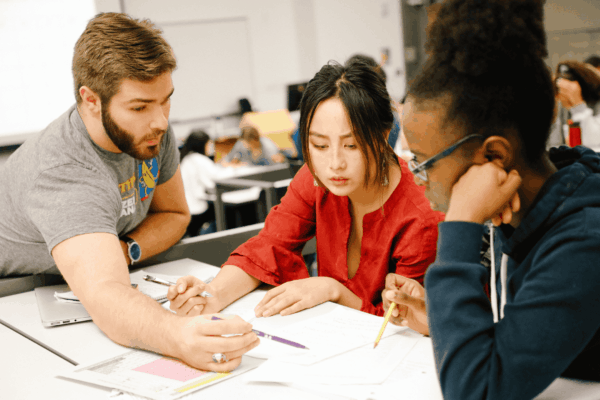
Active studying requires students to interact with the material, making learning deeper and more meaningful. Many educational programs in Paisley promote active learning techniques to improve student success rates.
Effective active learning methods include:
- Self-testing without looking at notes
- Teaching concepts to classmates
- Writing summaries in your own words
- Solving practice problems regularly
- Asking questions during lectures
- Participating in group discussions
Why Students Prefer Passive Studying
Despite its weaknesses, passive studying remains popular because it feels comfortable and easy. Students in Paisley, especially during busy academic schedules, often choose passive methods because they require less mental effort.
Reasons students choose passive studying include:
- It feels less stressful than testing yourself
- It takes less energy than problem-solving
- It gives a false sense of productivity
- It requires less planning
- It feels familiar from early education habits
How Students Can Shift From Passive to Active Studying
Changing study habits does not require drastic changes. Small adjustments can significantly improve learning outcomes for students in Paisley.
Practical steps include:
- After reading, close the book and recall key points
- Replace highlighting with writing short summaries
- Practice past exam questions weekly
- Study in short, focused sessions instead of long passive reading
- Discuss topics with classmates or study groups
The Long-Term Academic and Career Impact
Active studying not only improves grades but also develops thinking skills needed for careers. Employers in Paisley often value graduates who can analyze problems, communicate ideas, and apply knowledge practically.
Long-term benefits of active learning include:
- Better professional problem-solving ability
- Stronger communication skills
- Improved adaptability to workplace challenges
- Higher confidence in learning new skills
- Stronger academic foundation for higher education
Conclusion
Passive studying may feel comfortable, but it rarely produces strong academic results. In Paisley’s evolving educational landscape, students who engage actively with their learning materials gain a clear advantage. By replacing passive habits with active strategies such as self-testing, discussion, and practical application, students can improve both academic performance and long-term career readiness.
True learning happens not when students simply read information, but when they interact with it, question it, and apply it.

Leave a Comment