
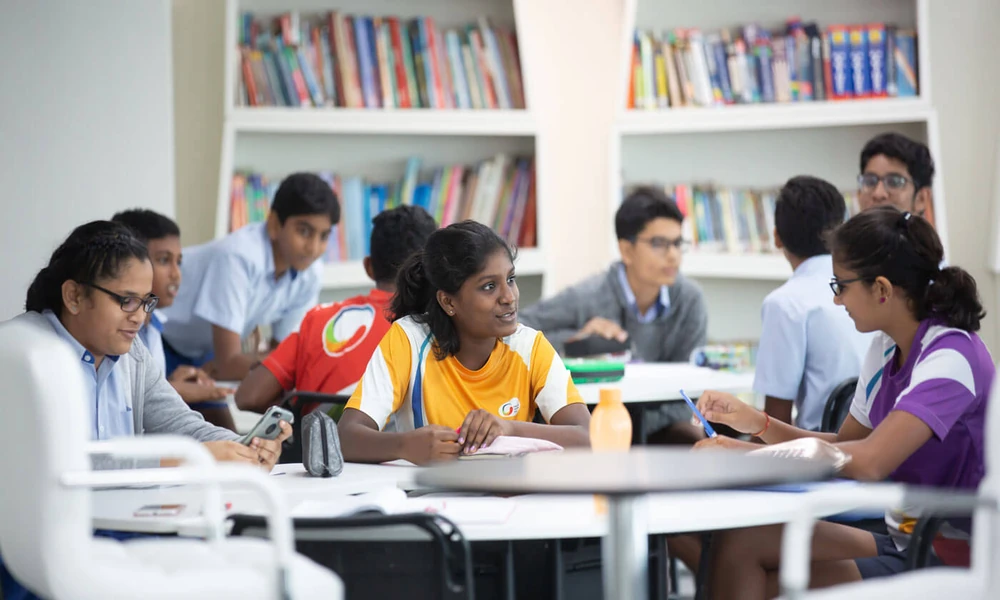

Cultural awareness grows when students meet people with different customs and daily habits.Across chiang mai international schools, communities often include families from many cultural backgrounds.This mix gives young people regular chances to understand unfamiliar views.Daily classroom contact can build patience toward customs that may seem different.Teachers also help children communicate with care during shared learning activities.Over time, these experiences support respectful relationships across the wider school community.
Building Cultural Respect
Respect begins when children understand that families may follow different customs.Schools can create spaces where those differences are treated with care.
Simple classroom conversations help students listen before forming an opinion.This habit supports thoughtful communication during lessons and social activities.
Learning Through Daily Contact
Regular contact helps cultural understanding become part of ordinary school life.Students notice different languages and family habits through natural interaction.
Teachers can describe unfamiliar practices simply in terms of what they observe on the daily basis. This sort of instructions serve to build children’s curiosity rather than hasty judgment.
Shared Activities Build Understanding
Group activities give students natural opportunities to learn about cultural differences.Thoughtful participation also makes unfamiliar traditions easier to understand through experience.
- Cultural celebrations introduce students to customs through shared classroom experiences.
- Story sessions present family traditions from several parts of society.
- Art projects show different symbols through simple creative classroom work.
- Music sessions introduce sounds linked with various cultural backgrounds respectfully.
- Food discussions help children understand meals connected with family traditions.
- Language activities teach greetings used by classmates from other backgrounds.
- Group projects encourage cooperation among students with varied personal experiences.
- School events bring families together through meaningful cultural learning opportunities.
Family Voices Strengthen Learning
Families can share useful knowledge about customs through school activities.Their involvement gives students direct contact with traditions beyond classroom materials.
Within chiang mai international schools this connection can make cultural learning more personal and grounded.
Common Community Questions
- Do cultural activities need special events? No. Ordinary classroom routines can support awareness.
- Should every tradition receive equal classroom time? Schools can choose relevant examples fairly.
- What if students misunderstand a custom? Teachers can explain differences calmly without embarrassment.
- Do families need to lead activities? No. Participation can match personal comfort levels.
- Should children discuss home traditions openly? Yes, when they feel comfortable sharing them.
- Could language differences affect friendships? Sometimes, but patient communication usually supports connection.
Teacher Guidance Supports Fair Participation
Teachers impact on children’s responses to cultural differences when learning occurs during the day. There are jokes/comments words of others that are making a student uncomfortable, can they be avoided, perhaps by setting clear expectations. Adults need to demonstrate respectful questioning and to rectify any unearned assumptions in simple terms.
Thoughtful Habits Support Lasting Understanding
Cultural awareness grows through ordinary choices made across each school day.Students learn from conversations and shared tasks plus respectful adult guidance.Schools can create routines that give different backgrounds fair recognition without making differences feel forced.If they are an integral part of everyday life in the community, then it starts to make a difference. With regards to progress, perfection is not so important – consistency and following-thru in thinking are more significant.






Leave a Comment