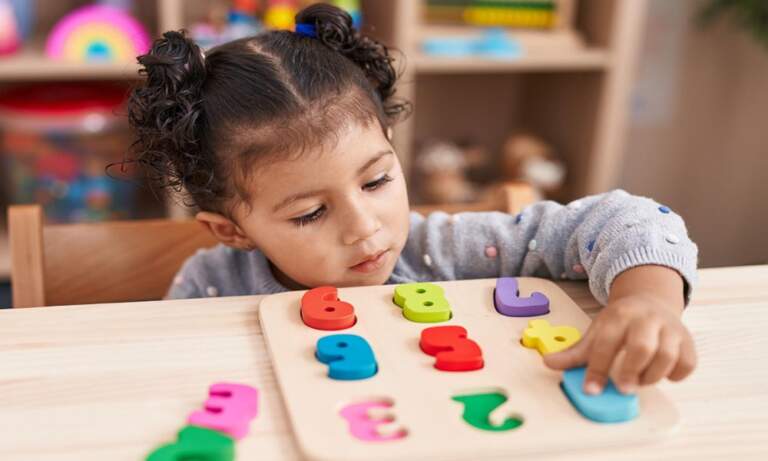


Getting children to speak English confidently doesn’t require fancy programmes or expensive materials. What works is simple daily practice built into your regular routines at home. When parents create natural opportunities for conversation, children develop fluency without feeling like they’re studying.
Start With Morning Chat Sessions
Morning time offers perfect moments for English practice. While preparing breakfast or getting ready for school, ask open questions that require more than yes or no answers. Instead of “Did you sleep well?” try “What did you dream about last night?” This encourages children to form complete thoughts and sentences.
Keep these morning conversations relaxed and genuine. Children respond better when they don’t feel tested or judged. Let them take their time finding words. Resist the urge to correct every mistake immediately, as this can make them hesitant to speak freely.
Build Story Time Into Evening Routines
Reading together creates rich opportunities for language growth. After finishing a story, spend five minutes discussing what happened. Ask your child to retell parts in their own words or predict what might happen next in the series.
English enrichment lessons often emphasise narrative skills because storytelling exercises multiple language abilities at once. Children practice past tense, sequencing events, and descriptive language. They also learn how to organise their thoughts before speaking.
Encourage your child to create their own stories too. Even silly or simple tales help develop creative language use. Listen actively and ask questions about their characters or plot choices.
Use Meal Times for Discussion
Family meals provide natural settings for conversation practice. Turn off screens and talk about the day’s events. Each family member can share something interesting that happened or something they learned.
These discussions teach children how conversations flow between people. They learn to take turns, ask follow-up questions, and stay on topic. These social language skills matter just as much as grammar or vocabulary.
Try themed dinner discussions once or twice weekly. Talk about favourite animals, dream holidays, or what superpower everyone would choose. These playful topics make speaking practice feel like fun rather than work.
Create Commentary Opportunities
Children learn language by using it in context. Ask your child to explain what they’re doing whilst playing, building, or creating art. This running commentary helps them practice present tense and descriptive vocabulary.
You can model this too. Narrate your own actions whilst cooking or gardening. Use clear, simple language and introduce new words naturally. When children hear adults using varied vocabulary in context, they absorb and copy these patterns.
Add Question Games to Daily Routines
Simple question games during car rides or walks make travel time productive. Play “20 questions” or “I spy” to encourage questioning skills. These games teach children how to ask for information and give clear descriptions.
Another effective approach involves role-play scenarios. Pretend to run a shop, restaurant, or doctor’s surgery. These situations create reasons to use specific vocabulary and polite phrases. Through English enrichment lessons at home, children practice real-world language they’ll actually use.
Make Recording a Weekly Habit
Once weekly, record your child telling a story or describing their week. Keep these recordings short, just two to three minutes. Over months, you’ll both hear clear improvement in fluency and confidence.
Listen to old recordings together occasionally. Children feel proud hearing their own progress. This positive reinforcement motivates continued practice without pressure.
Keep Practice Consistent but Brief
Daily practice works better than long weekly sessions. Aim for multiple short conversations throughout each day rather than one extended lesson. Ten minutes of genuine chat beats thirty minutes of forced study every time.
Remember that quality matters more than quantity. Even five minutes of engaged conversation where your child speaks freely brings real benefits. The goal is building comfort with English as a natural communication tool.
Support Without Pressure
Children develop language skills at different rates. Some speak confidently early whilst others need more time. Your role is providing opportunities and encouragement, not forcing perfection.
Celebrate small victories like using new words correctly or telling longer stories. Create an environment where mistakes feel safe and speaking feels rewarding. Through consistent, pressure-free English enrichment lessons at home, your child will develop genuine fluency that lasts a lifetime.
The routines that work are those you can maintain long-term. Choose approaches that fit your family’s lifestyle and your child’s personality. With patience and regular practice, you’ll see steady growth in their English abilities.