
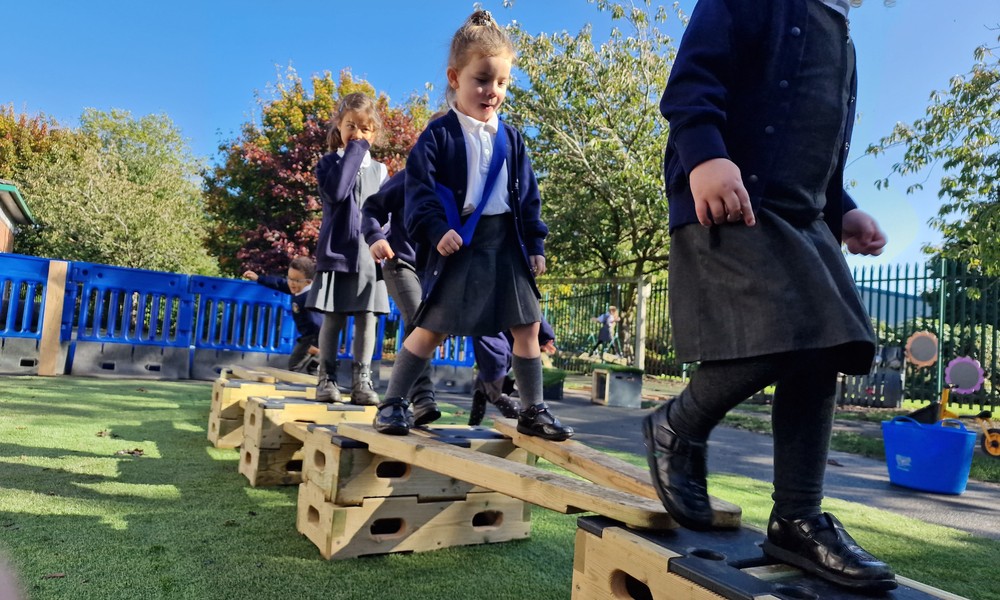

Every day a playground project drags on, children miss out on chances to play, schools lose valuable recreation time, and costs quietly climb. Yet, the factors that slow down playground construction are often both predictable and preventable.
The Early Days of Playground Projects: Common Challenges and Delays
Long before digital blueprints and modular elements, playground projects were notorious for their sluggish pace. Sorting through planning approvals, waiting on delayed shipments, and watching yet another rainstorm wash away progress all plagued teams.
Traditional Planning Pitfalls That Slow Progress
Relying entirely on paper-based planning created bottlenecks from the start. Changes made late in the process could unravel weeks of effort, as every revision meant redrawing, reprinting, and reapproving plans.
Resource Constraints and Their Impact on Timelines
Budget overruns and shortages of skilled labor often forced project managers to make do with less. When one missing delivery or the absence of a key crew member could stall everything, time slipped away.
How Communication Gaps Led to Inefficiencies
Between architects, contractors, school boards, and suppliers, even minor miscommunications resulted in costly errors or missed milestones. Waiting for email chains to resolve or sorting through unclear instructions meant more waiting than building.
Embracing Technology: The First Wave of Speed Enhancements
As playground planners adopted digital tools, timelines shrank and headaches diminished.
Digital Design Tools and Their Role in Streamlining Plans
CAD software revolutionized the design phase. Instead of tedious, manual revisions, teams could tweak layouts in real time, instantly sharing them with stakeholders and getting rapid feedback. This eliminated the delays that once plagued every design change.
Project Management Software: From Paper to Pixels
When to-do lists went virtual, scheduling conflicts and task tracking improved dramatically. Project managers could spot approaching bottlenecks and adjust crews before the crunch hit.
Early Adoption of Prefabricated Components
Prefabricated swings, slides, and climbing structures began arriving ready for immediate assembly. This disrupted the old approach of custom, onsite fabrication and cut weeks off typical completion times.
Innovative Strategies Gaining Traction Today
The modern playground project landscape looks far different, as teams pursue clever new tactics to squeeze out every possible day of delay.
Leveraging Modular Construction for Faster Assembly
Modular systems, designed for quick fit-and-lock installation, allow teams to work like puzzle-solvers instead of traditional builders. These systems are customizable yet quick to assemble, slashing onsite labor requirements.
Integrating Real-Time Collaboration Platforms
Cloud-based platforms keep everyone in sync, letting architects, supervisors, and stakeholders review plans and progress at the same time. Updates and changes happen with one click, cutting lag time to almost zero.
Smart Scheduling Techniques to Minimize Downtime
Sophisticated scheduling tools let crews stagger their work, maximizing productivity even when faced with unpredictable weather or supply hiccups. Teams now forecast the most efficient sequence of tasks and adjust on the fly.
Little-Known Tricks That Push Playground Projects Ahead
Industry insiders have started sharing a few lesser-known tactics that create real momentum.
Utilizing Local Materials and Workforce for Rapid Deployment
Sourcing materials locally and hiring nearby labor sidesteps traditional delays. Local providers usually deliver faster, and homegrown teams are more familiar with the location’s quirks, allowing a smoother build.
Adaptive Project Scopes to Avoid Bottlenecks
Teams that plan “scalable” playground builds can adapt quickly if a material runs short or the weather shifts. Instead of halting the project, they pivot to complete available sections first, keeping the process fluid.
Early Stakeholder Engagement to Prevent Scope Creep
Bringing community leaders, parents, and child development experts into the planning process early helps avoid last-minute changes and “wish list” expansions that can derail schedules.
The Role of Data Analytics in Forecasting and Efficiency
In today’s projects, guessing is out, predicting is in.
Predictive Models to Identify Potential Delays
Modern analytics platforms crunch historical project data to forecast likely slowdowns, such as seasonal weather patterns or supply chain hiccups. Project managers use this data to build more resilient timelines.
Using Performance Metrics to Adjust Timelines Proactively
Live dashboards let supervisors monitor productivity in real time. If one crew’s pace slips, resources are shifted immediately to stay on track.
Future Trends Set to Revolutionize Playground Construction Speed
What will tomorrow’s fastest playground projects look like?
Automation and Robotics on the Horizon
Some innovators are already experimenting with robotic assembly for large structures and automated layout mapping. These technologies could one day trim construction times to a fraction of today’s standards.
Sustainable Practices That Also Accelerate Completion
Green building techniques, like using recycled modular components, not only reduce environmental impact but often result in faster assemblies because of their standardized sizing.
The Growing Impact of AI-Driven Project Management
Artificial intelligence is quietly reshaping how projects are scheduled, monitored, and optimized, predicting risk, allocating resources, and identifying the shortest path to completion.
Implementing These Tricks: A Step-by-Step Evolutionary Roadmap
To accelerate your next playground build, the answer isn’t one big leap but a series of smart, incremental steps.
Assessing Current Processes for Bottlenecks
Start by mapping out your existing workflow. Where do delays most often occur? Are they in planning, procurement, or installation?
Incremental Integration of Speed-Boosting Techniques
Adopt one innovation at a time, such as digital collaboration tools or modular construction elements, and measure the impact before moving to the next.
Measuring and Refining for Continuous Improvement
Gather data from each build, track what worked and what didn’t, and refine your process with every project.
Wrapping Up: The Path Forward to Faster Playground Projects
Playground construction has moved from an era of missed deadlines and costly waiting to a world where technology, smart planning, and community input create momentum at every step.
What ties these strategies together is a culture that rewards agility and innovation. Whether you’re using advanced analytics, modular components, or drawing inspiration from resources like Inspire Play playground equipment, the fastest projects are those willing to experiment and adapt.
In the race to deliver safe, exciting play spaces, the winners are always the teams who turn the latest tricks into tomorrow’s best practices.










Leave a Comment